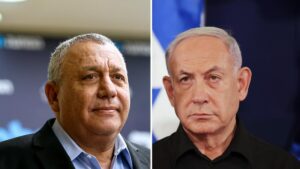
Netanyahu Unity Government: Shock Reports Say Rival Eisenkot Could Join Forces With Trump and Herzog as Guarantors
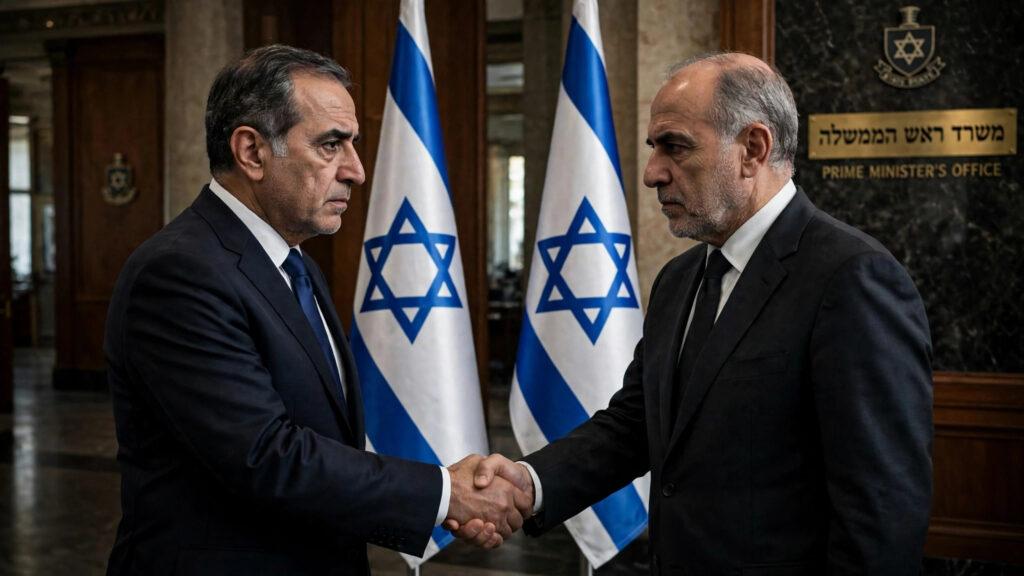
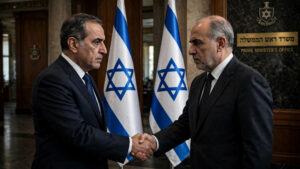
Netanyahu unity government Eisenkot is the shock twist in Israel’s deadlocked election. Just days after a vote that left no bloc with a majority, reports from Israel say Prime Minister Benjamin Netanyahu is exploring a unity government with his chief rival, Yashar party leader Gadi Eisenkot — with US President Donald Trump and Israeli President Isaac Herzog acting as formal guarantors of the deal.
The reports remain unconfirmed, and Netanyahu has publicly denied plans for a unity government. But the fact that senior figures close to the prime minister are talking about it openly, days before President Herzog begins formal coalition consultations on Wednesday, has turned a frozen deadlock into the most dramatic political story in Israel.
Netanyahu Unity Government: What Is Being Reported
According to Israel’s Kan public broadcaster, the prospective arrangement would bring Netanyahu’s Likud and Eisenkot’s Yashar into a single government, with Trump and Herzog as guarantors. The development was disclosed on Sunday morning by Dimona Mayor Benny Biton, a close confidant of the prime minister, who said: “I am speaking on the basis of a direct source: Benjamin Netanyahu wants unity… I assure you with absolute certainty: this is neither deception nor an election manoeuvre.”
A Likud official confirmed that high-level discussions are under way, saying: “I spoke yesterday with the President of the State of Israel. There will be two guarantors of this agreement: Herzog and the president of the United States, who will act as guarantors for Mr. Gadi Eisenkot.”
Previous reports indicated that President Trump favors a unity government that explicitly excludes far-right ministers Itamar Ben-Gvir and Bezalel Smotrich — a condition that would reshape Netanyahu’s coalition entirely.
Why a Unity Deal Is Suddenly Possible
The certified election arithmetic leaves Netanyahu with no easy path. The final count gives his bloc 53 seats: Likud 27, United Torah Judaism 7, Otzma Yehudit 7, Shas 6 and Religious Zionism 6. The non-Arab opposition bloc holds 48 seats: Yashar 21, B’Yachad 12, the Democrats 8 and Yisrael Beiteinu 7. Arab-led parties hold the remaining 19 seats, split between the Joint List with 11 and Ra’am with 8. A government needs 61.
Adding Eisenkot’s 21 seats to Netanyahu’s 53 would produce 74 — a commanding majority. Even excluding Ben-Gvir’s Otzma Yehudit, such a combination would retain 67 seats. Excluding both Ben-Gvir and Religious Zionism–Zehut would still leave exactly 61. Netanyahu’s reported position is to preserve his existing partners, invite others in, and reject any rotation of the prime minister’s office — the arrangement that collapsed the 2020 rotation government with Benny Gantz before Gantz ever took over.
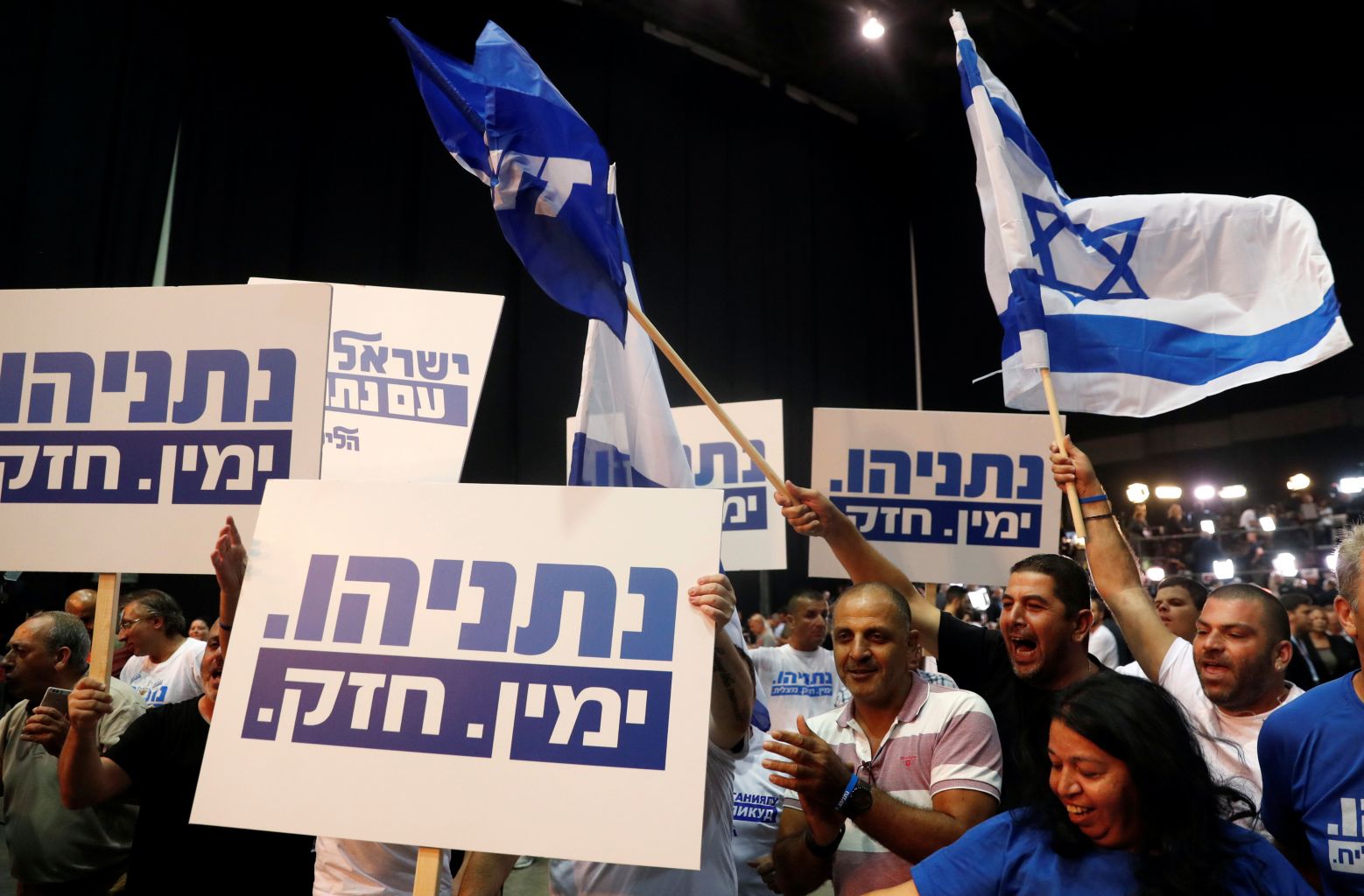
The pressure is visible on the streets as well. Thousands rallied in Tel Aviv on Saturday urging the opposition to work with Arab-led parties to form a government and remove Netanyahu. Joint List chairman Yousef Jabareen has said his party is ready to help oust Netanyahu’s government through a “true and equal partnership,” and senior officials from the Joint List and Ra’am are reportedly poised to recommend Eisenkot to Herzog during Wednesday’s consultations.
The Trump Factor — and the Iran Clock
Trump’s role as reported guarantor connects the coalition drama directly to the Iran confrontation. Trump and Netanyahu held a telephone conversation on Saturday, widely linked by Hebrew media to regional security preparations regarding Iran. Axios reporting describes Netanyahu pressing for strikes immediately after the November 3 US midterms, while Trump favors more time for diplomacy.
That tension makes the unity question urgent. A caretaker government is expected to show restraint on irreversible decisions, and experts note that a caretaker prime minister has limited power to launch a war. A unity government with Eisenkot — himself a former military chief of staff — would give any security decision a broader political base, and Trump’s reported role as guarantor would tie Washington directly to its survival.
What Happens Next
The formal timeline is now set. Official election results must be certified and presented to President Herzog by November 4, with the new Knesset sworn in on November 10. Herzog must task one Knesset member with forming a government by November 11, and that candidate will have 28 days, with a possible 14-day extension, to build a coalition. If that effort fails, Herzog can ask another candidate to try for 28 days, and a 61-member majority could then recommend yet another candidate for a final 14 days.
Herzog urged political factions on Sunday to abandon intransigence and explore creative compromises to prevent another election. Eisenkot has previously ruled out a coalition with Arab parties, and Netanyahu has publicly denied unity plans — so the reported opening could still collapse into formal negotiations that go nowhere, or into the prolonged deadlock that both men claim to fear.
For now, the unity reports have changed the question in Jerusalem. It is no longer only who won the election. It is whether two rivals who spent the campaign attacking each other are prepared to govern together — with the American president as their guarantor — while the clock on Iran runs down.